
How Did Frederick Douglass Reclaim His Identity from Slavery?
Quick Answer
Frederick Douglass emphasized that while slavery strips away a person's freedom and identity, it is possible to reclaim dignity through self-assertion. His confrontation with Mr. Covey marked a pivotal moment in Douglass's journey from slave to empowered individual.
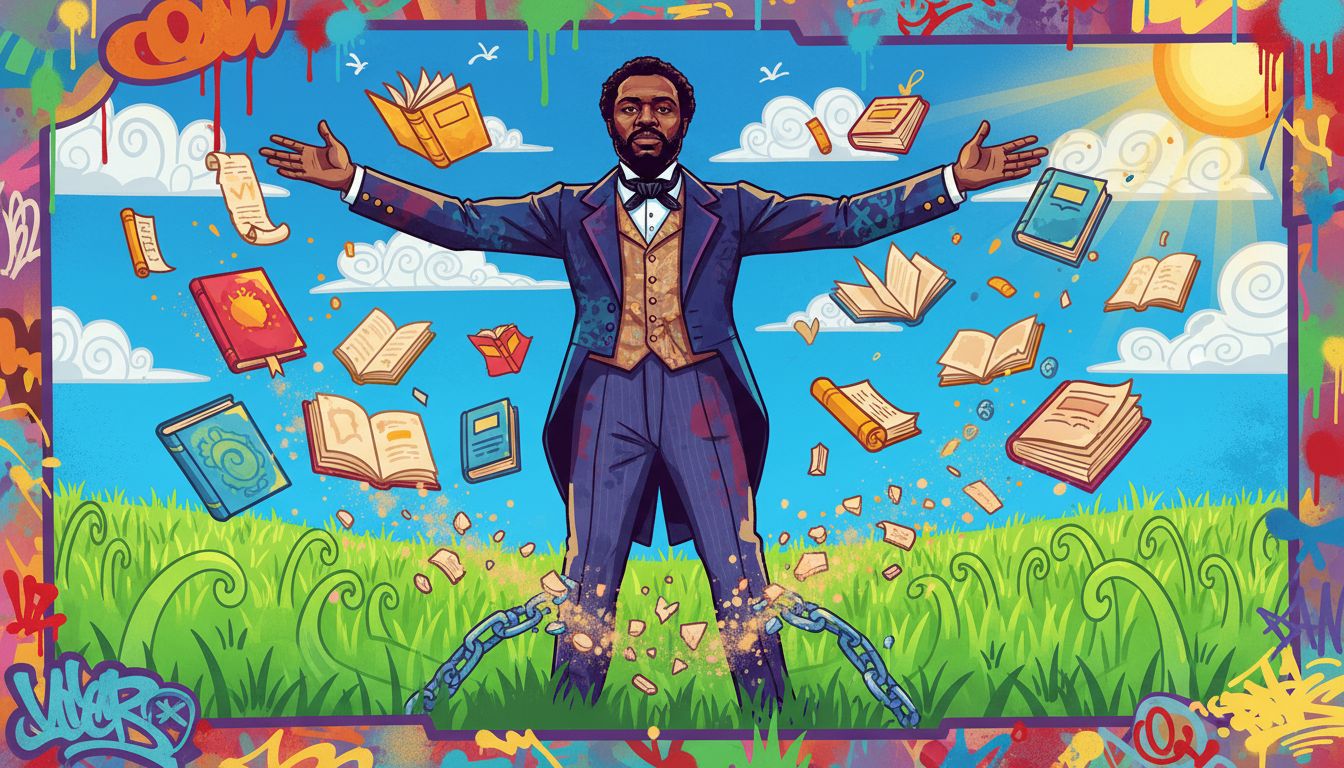
Frederick Douglass's narrative provides profound insights into the experience of slavery and the journey towards self-identity and empowerment. In Chapter 10 of his autobiography, he poignantly states, 'You have seen how a man was made a slave; you shall see how a slave was made a man.' This quote encapsulates the transformation Douglass underwent, highlighting that while slavery diminishes a person's freedom and identity, it is indeed possible to reclaim one's sense of self-worth.
Slavery is not just a physical condition; it deeply affects the psyche of individuals, reducing them to mere property. Douglass illustrates this through his experiences, showing how the brutal realities of slavery can strip away dignity and humanity. However, his narrative is not solely one of despair; it also offers a message of hope and resilience. Douglass's story is a powerful testament to the strength of the human spirit.
One of the most significant moments in Douglass's journey occurred when he was subjected to the harsh treatment of Mr. Covey, his overseer. For a long time, Douglass endured brutal beatings and dehumanization, which made him feel powerless. However, the turning point came when he decided to stand up for himself. In a dramatic confrontation, he fought back against Covey, refusing to be beaten into submission any longer. This act of defiance was not just physical; it was a reclaiming of his identity.
After this pivotal moment, Douglass felt empowered and began to see himself as a man deserving of respect and dignity. He writes that he was never whipped by Covey again. This incident marked a crucial shift in Douglass’s life, illustrating that the act of resistance can restore a person’s sense of humanity. It serves as a powerful reminder that even in the face of oppression, individuals can reclaim their identities through courage and self-assertion.
Douglass's narrative extends beyond his personal journey; it serves as a broader commentary on the effects of oppression and the innate desire for freedom and self-identity. His life story exemplifies how individuals can rise above their circumstances, reclaim their dignity, and assert their humanity. This message is not just relevant to the historical context of slavery but resonates with anyone facing challenges that threaten their identity and self-worth.
In studying Douglass's life, we can draw important lessons about resilience, the importance of standing up against injustice, and the power of self-advocacy. His experiences encourage us to reflect on our own lives and the ways we can assert our identities, particularly in the face of adversity. By understanding his story, we can better appreciate the ongoing struggles for freedom and dignity that continue in various forms today.
Was this answer helpful?