
Which U.S. Amendments Were Amended Again or Changed?
Quick Answer
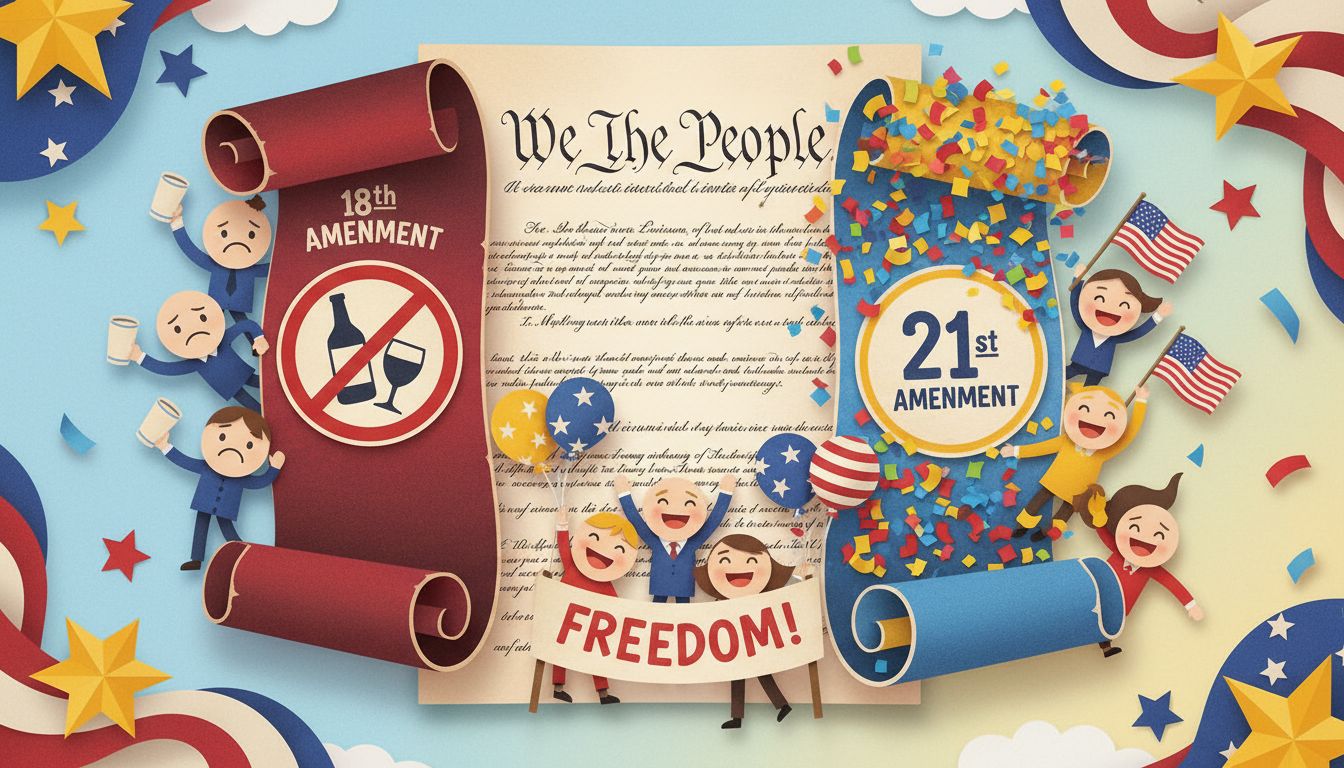
In U.S. history, the 18th Amendment, which instituted Prohibition, was repealed by the 21st Amendment. Additionally, some amendments modify the workings of earlier provisions without outright repealing them.
When exploring U.S. history, understanding how the Constitution has been amended is crucial. Amendments can be directly repealed or modified by subsequent amendments. The most notable example of a direct repeal is the 18th Amendment, ratified in 1919, which established Prohibition and made the production, sale, and transportation of alcoholic beverages illegal. However, due to the significant public backlash and the challenges of enforcing Prohibition, the 21st Amendment was passed in 1933 to repeal the 18th Amendment, effectively legalizing alcohol once again. This case illustrates how amendments can have a temporary impact before being overturned by later legislation.
Apart from outright repeals, some amendments modify the effects of earlier amendments without explicitly stating that they are being repealed. For instance, the 12th Amendment, ratified in 1804, refined the Electoral College process. Originally, the Constitution had provisions that led to complications in the election of the president and vice president. The 12th Amendment created a separate ballot for these two offices, ensuring that electors cast distinct votes, which helped to clarify the electoral process.
Another significant amendment is the 14th Amendment, ratified in 1868, which addresses citizenship rights and equal protection under the laws. While it does not repeal any existing amendments, it fundamentally altered the legal landscape regarding civil rights and has been used in many Supreme Court cases to extend rights to various groups.
These examples illustrate the dynamic nature of the Constitution, where amendments can change the legal framework of the country significantly. Understanding these changes is not only vital for historical knowledge but also for appreciating how laws evolve in response to societal needs and challenges. The Constitution allows for such changes through the amendment process, ensuring that it remains relevant and reflective of the values of American society. Studying these amendments provides insight into the ongoing dialogue about rights, governance, and the rule of law in the United States.
Was this answer helpful?