
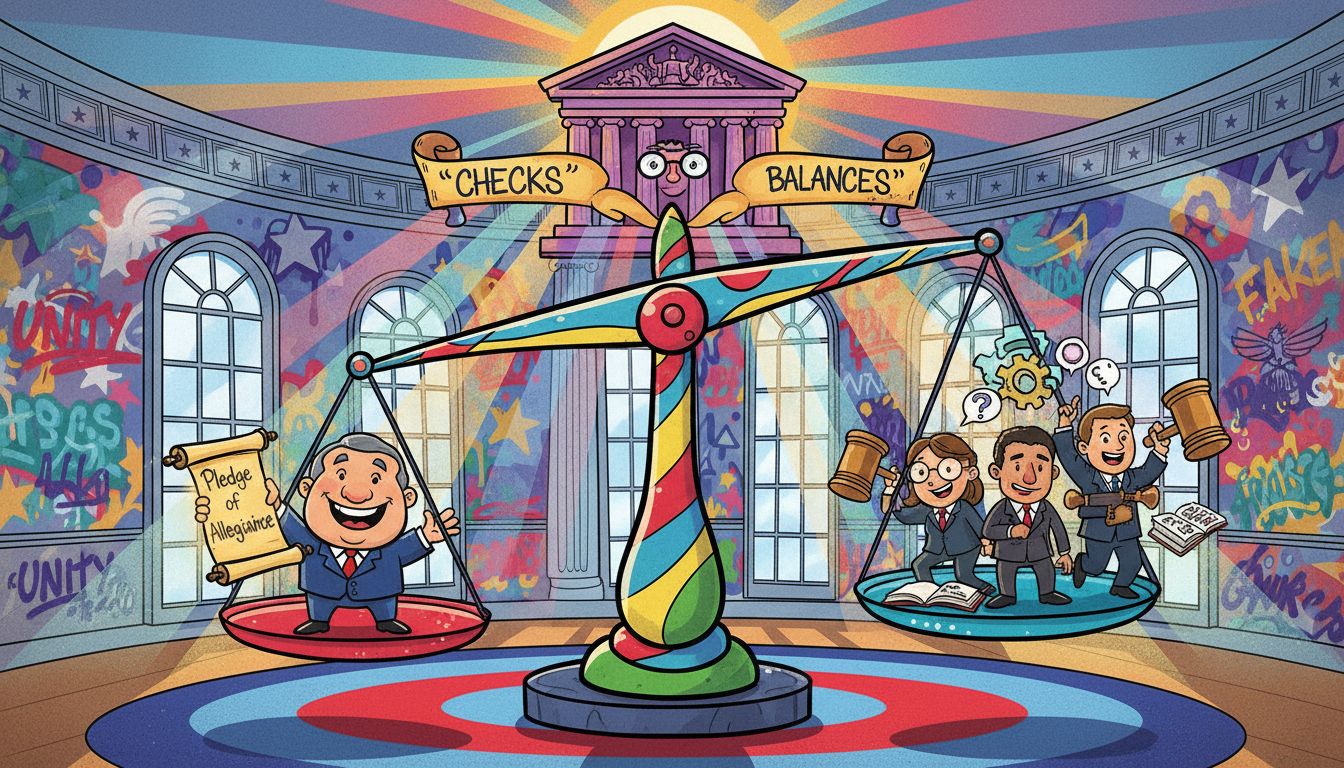
How Can Congress Check Presidential Power? Understanding the Process
Quick Answer
Congress can check the President's power by refusing to pass proposed legislation. If a majority of both the House and Senate do not approve a bill, it cannot become law.
In the United States government, the system of checks and balances is vital to ensuring that no single branch becomes too powerful. One of the primary ways Congress checks presidential power is through its legislative authority. When the President proposes new laws or initiatives, it is Congress that must approve these measures before they can take effect.
For example, if the President returns from a trip abroad and is inspired to enact a new policy aimed at increasing citizen loyalty, they might draft a bill and present it to Congress. However, it is important to understand that Congress holds the power to either accept or reject this proposed legislation. If a majority of representatives in the House of Representatives and a majority of senators in the Senate disagree with the bill, they can simply choose not to pass it. This refusal effectively acts as a check on the President's power, demonstrating that while the President can propose laws, they cannot implement them without Congressional approval.
To illustrate how this process works in a real-world scenario, let’s say the President proposes a bill that aims to increase funding for patriotic education programs in schools to strengthen national loyalty. The proposal would go through several steps in Congress, including committee reviews and debates. If members of Congress believe that the bill is unnecessary or that the funds could be better allocated elsewhere, they can vote against it. If the bill fails to receive majority support in both chambers, it will not become law.
Moreover, even if the bill passes one chamber, it must still gain approval from the other. This requirement ensures that both houses of Congress actively participate in shaping legislation and prevents unilateral decision-making by the President. If the President were to veto the bill after it passed, Congress could still override the veto, but that requires a two-thirds majority in both houses, which is a high threshold to meet. However, in the scenario where the bill does not even pass the initial vote, there is no need for a veto override.
In summary, Congress serves as a critical check on presidential power by controlling the legislative process. The ability to refuse to pass proposed legislation is one of the strongest tools Congress has to ensure that the President cannot impose policies or laws that may not reflect the will of the American people. Understanding this aspect of government not only highlights the importance of civic engagement but also emphasizes the necessity of a balanced governmental structure that protects democratic values.
Students should appreciate the role of Congress in shaping policies and how their representatives can influence national decisions. By participating in elections and staying informed about legislative actions, citizens can contribute to the democratic process and hold their leaders accountable.
Was this answer helpful?