
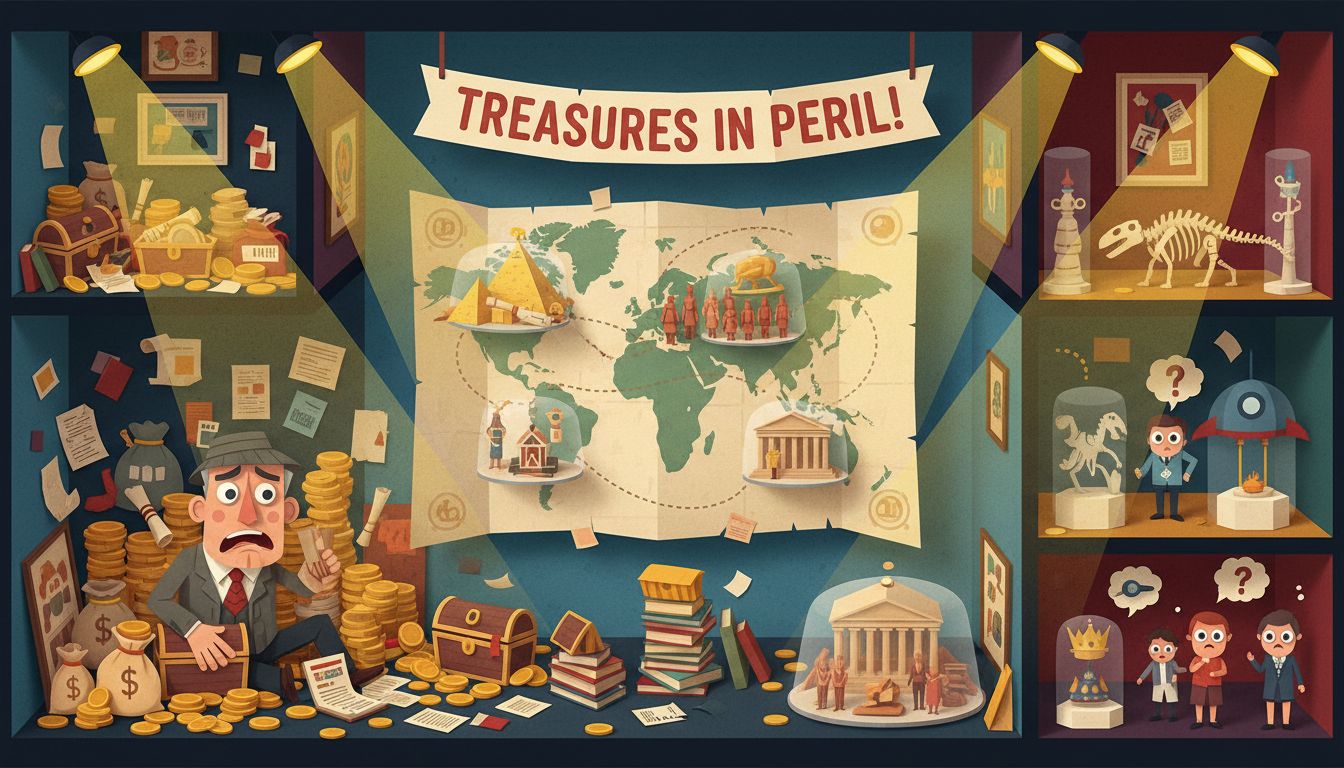
Why Museums May Hesitate to Return Artifacts to Their Original Locations
Quick Answer
Museums may hesitate to return artifacts due to high restoration and transportation costs, potential damage during transport, and the impact on visitor numbers. These concerns can lead to complex implications for cultural heritage and museum operations.
Museums play a vital role in preserving cultural heritage, but the question of whether to return artifacts to their original locations is a complex issue. There are several reasons why museums might choose to keep artifacts in their possession, each with significant implications.
**1. Financial Considerations**: One of the primary reasons museums may be reluctant to return artifacts is the substantial investment they have made in these items. This includes costs for restoration, transportation, and ongoing maintenance. For instance, many artifacts require specialized conservation efforts to ensure they are displayed safely and effectively. If a museum has spent significant funds on restoring an artifact, it may be hesitant to relinquish it, fearing the financial loss of that investment.
**2. Risk of Damage**: Transporting fragile artifacts can pose serious risks. Many items, especially those made of delicate materials like wood, textiles, or ancient pottery, can be easily damaged during transport. Museums often argue that keeping artifacts in controlled environments reduces the risk of deterioration, as they can monitor temperature, humidity, and exposure to light.
**3. Visitor Attraction and Revenue**: Artifacts often serve as major attractions for museums, drawing visitors and generating revenue. If a museum returns a highly sought-after item, it may face a decrease in visitor numbers, which could impact its operating budget. For example, famous pieces like the Rosetta Stone at the British Museum draw countless visitors each year. Losing such an artifact could significantly affect the museum's financial stability.
**4. Political and Ethical Considerations**: The decision to return artifacts is not just about logistics and finances; it also involves complex political and ethical dimensions. If a museum chooses to return an artifact to one country, it may open the floodgates for other nations to demand their cultural treasures back. This can lead to a slippery slope, where museums might need to reassess their entire collection and the legal and moral implications of holding onto certain items.
**5. Cultural Context and Preservation**: Museums often view themselves as custodians of history. They argue that artifacts in their care can be better preserved and appreciated in a museum context, where they are part of educational displays and cultural programs. This perspective posits that artifacts can reach wider audiences and have greater educational impacts when housed in museums, compared to being returned to potentially less secure environments.
In conclusion, while the return of artifacts to their original locations is a sensitive and important issue, museums often have valid reasons for retaining them. The implications of these decisions can ripple through financial, ethical, and cultural dimensions, making it a topic worthy of thoughtful discussion and consideration in our understanding of heritage and preservation.
Was this answer helpful?