
What Are the Disadvantages of Dams and Hydropower Facilities?
Quick Answer
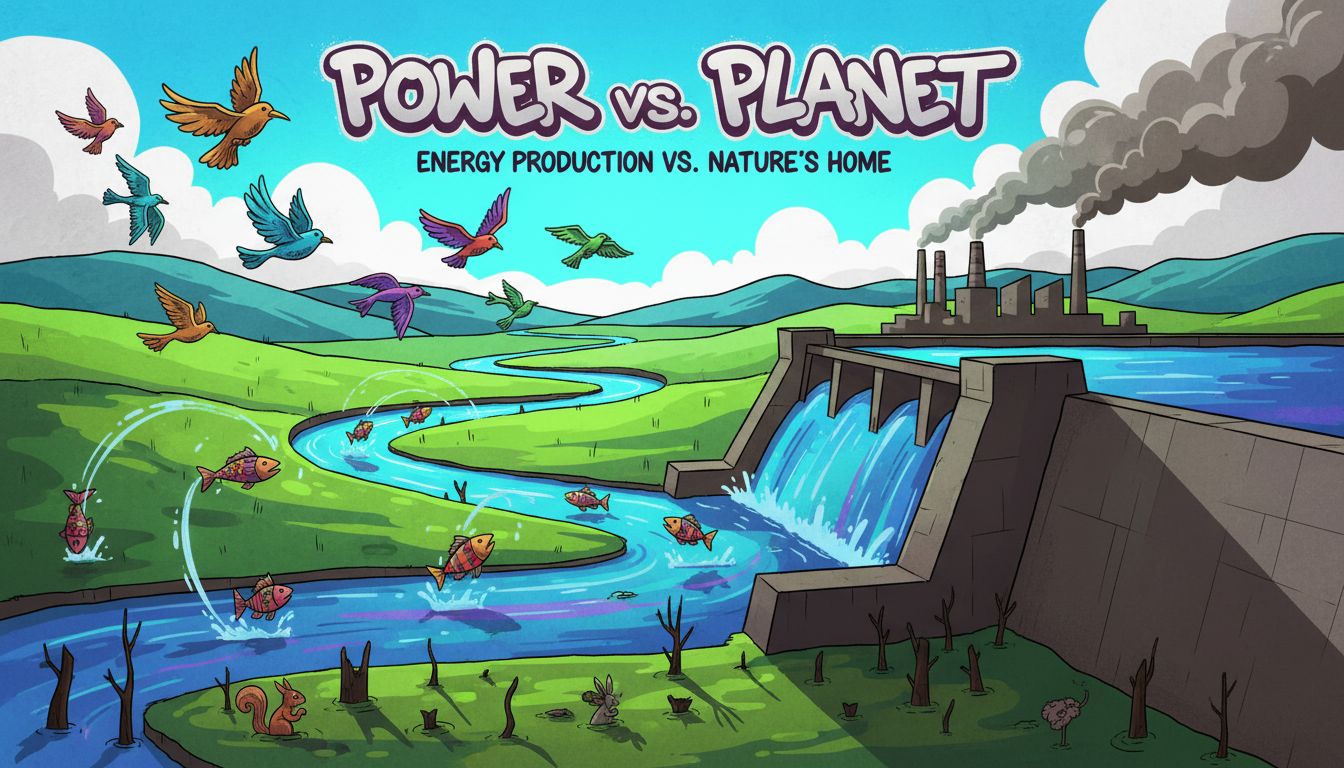
Dams and hydropower facilities can have several disadvantages, including flooding natural habitats, altering river chemistry and temperature, and contributing to carbon dioxide emissions during cement production. Understanding these impacts is crucial for sustainable energy practices.
Dams and hydropower facilities are often celebrated for providing renewable energy sources, but they also come with a range of disadvantages that significantly impact ecosystems and the environment. Understanding these disadvantages is essential for evaluating the sustainability of hydropower as an energy source.
1. **Flooding Natural Habitats**: One of the most immediate effects of dam construction is the flooding of upstream habitats. When a dam is built, water levels rise, inundating forests, wetlands, and other ecosystems. This flooding can lead to the loss of biodiversity as species lose their habitats and cannot adapt to new environments. For instance, entire aquatic and terrestrial ecosystems can be submerged, disrupting the life cycles of countless organisms.
2. **Alteration of River Chemistry and Temperature**: Dams change the natural flow of rivers, which can have profound effects on the water's chemistry and temperature. When water is stored in reservoirs, it can warm up, leading to changes in the aquatic ecosystem. Warmer water can negatively affect fish and other aquatic life that thrive in cooler temperatures. Furthermore, the alteration of flow patterns can lead to changes in sediment transport, which is vital for maintaining healthy river ecosystems.
3. **Carbon Dioxide Emissions from Cement Production**: The construction of dams often involves significant amounts of concrete, which is made from cement. The manufacturing process of cement is known to emit large amounts of carbon dioxide, a greenhouse gas that contributes to climate change. This aspect of dam construction raises concerns about the overall environmental footprint of hydropower facilities, especially in the context of global efforts to reduce carbon emissions.
4. **Impact on Wildlife Migration**: While the original question mentioned birds, it's important to clarify that dams primarily disrupt the migration patterns of fish, particularly salmon and other species that rely on upstream spawning grounds. Dams can create barriers that prevent these fish from reaching their breeding habitats, leading to declines in fish populations and affecting the larger food web.
In conclusion, while dams and hydropower offer renewable energy solutions, their disadvantages cannot be overlooked. Flooding habitats, altering river ecosystems, contributing to carbon emissions, and disrupting wildlife migration are significant issues that require careful consideration in energy planning. Balancing the need for renewable energy with environmental protection is essential for sustainable development in the future.
Was this answer helpful?