
Is Dry Ice Becoming Vapor a Physical Change? Understanding Changes in Matter
Quick Answer
Yes, dry ice becoming vapor is a physical change. It involves solid carbon dioxide transitioning to gas without altering its chemical composition, meaning no new substances are formed.
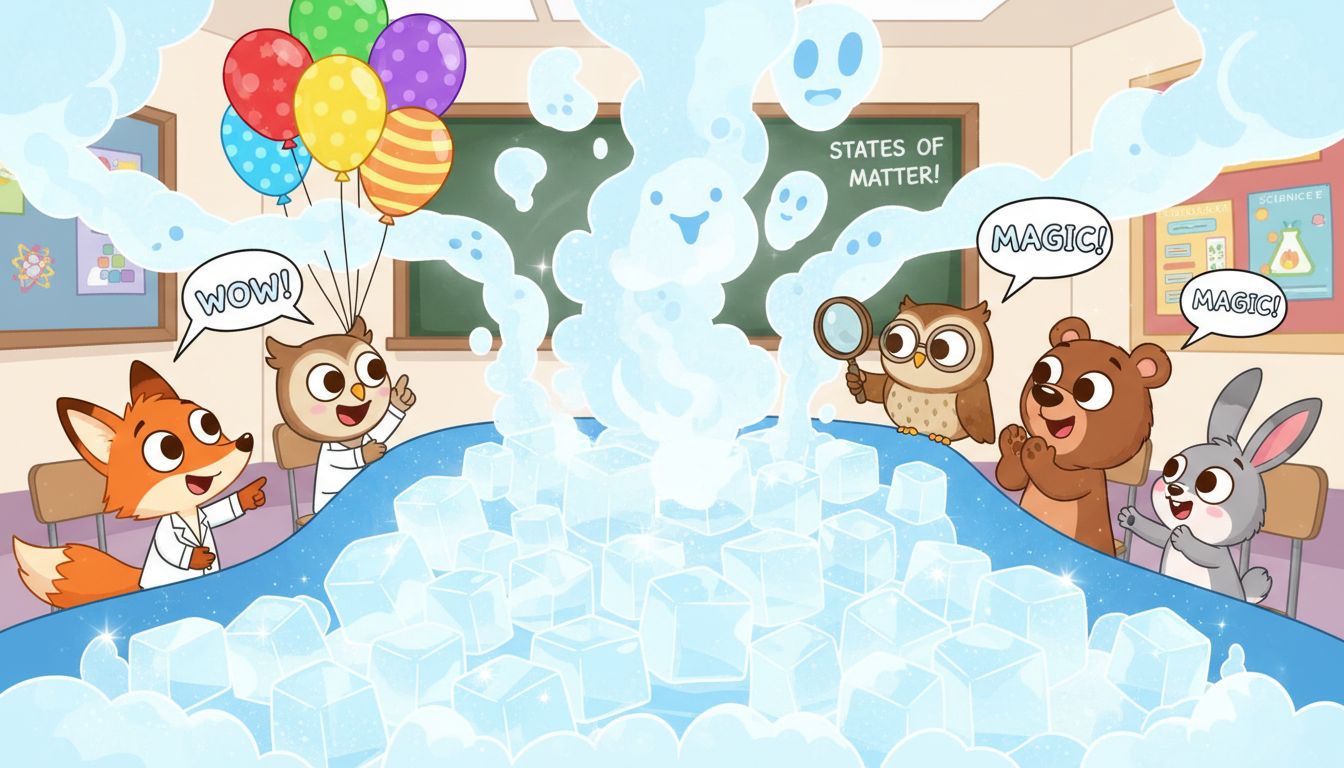
Great question! When we discuss changes in matter, it's important to distinguish between physical changes and chemical changes. Dry ice, which is the solid form of carbon dioxide (CO₂), transitioning to vapor (gas) is a perfect example of a physical change. In this process, dry ice sublimates—meaning it changes from solid directly to gas without passing through the liquid state. The key aspect of a physical change is that no new substances are created; the CO₂ remains CO₂ throughout this transformation, simply changing its state.
To further understand physical changes, consider some everyday examples. When ice cubes melt into water, they undergo a physical change as well. The water is still H₂O, just in a different state. Similarly, if you freeze that water back into ice, you again have a physical change. In both cases, the chemical makeup does not alter, just the state of the substance.
On the other hand, a chemical change occurs when a substance transforms into a different substance through a chemical reaction. For instance, when copper from the Statue of Liberty reacts with air over time, it forms a green patina due to oxidation. This is a chemical change since new substances are produced.
Moreover, when table salt (NaCl) is formed from sodium (Na) and chlorine (Cl) through a chemical reaction, that process also represents a chemical change because the original elements are converted into a new compound.
Another example of a chemical change is the smell of rotten eggs, which comes from the production of sulfur compounds during the decomposition process. In this case, new substances are created, signifying a chemical change.
Understanding the difference between these two types of changes is crucial in science as it helps us comprehend how matter interacts in various conditions. This knowledge is not only applicable in the classroom but also in real-world situations, such as cooking, where heating and cooling food can lead to both physical and chemical changes.
To sum up, dry ice becoming vapor is indeed a physical change. If you're curious about more examples or the equations related to physical changes, make sure to check the equations section for further insights.
Was this answer helpful?