
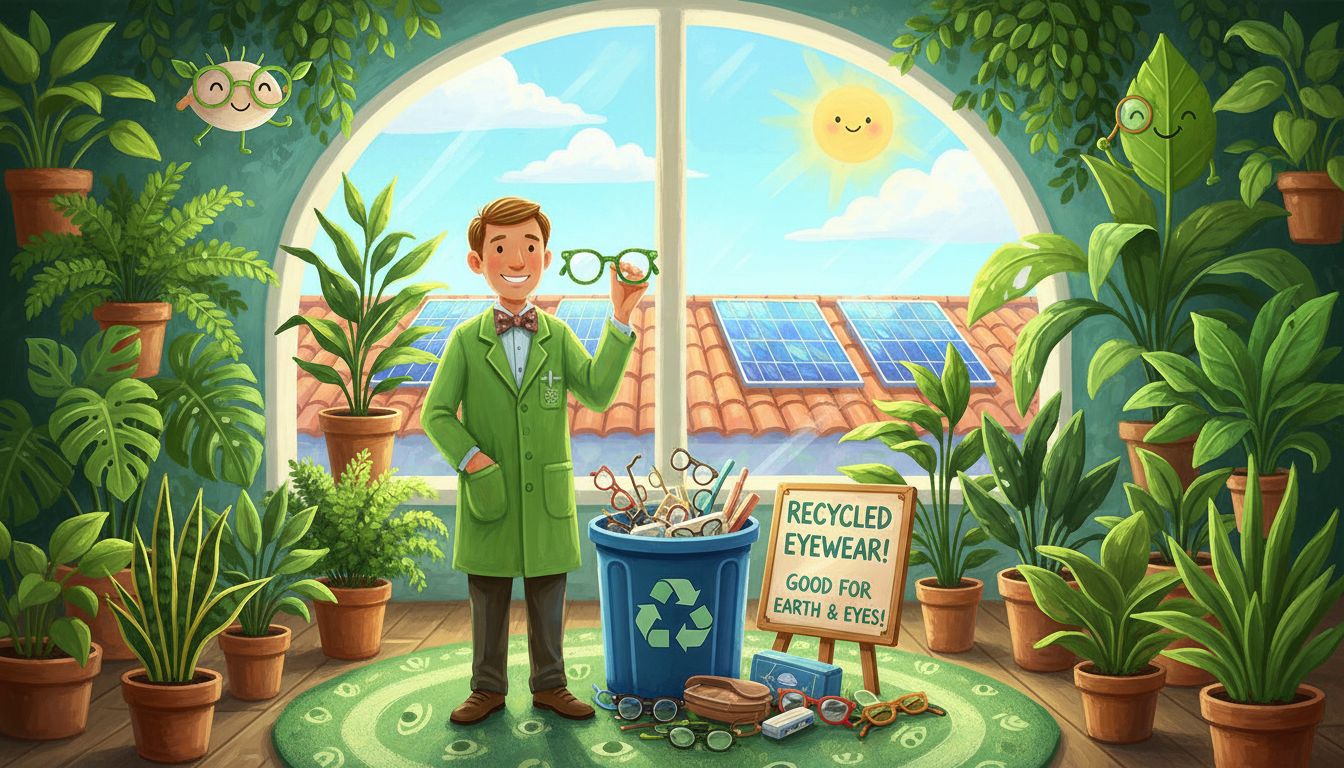
What Environmental Issues Do Optometrists Face?
Quick Answer
Optometrists face several environmental issues, including medical waste from single-use plastics, high energy consumption in clinics, and water usage in various procedures. Addressing these challenges can significantly lessen their environmental footprint.
Optometry is an essential field focused on maintaining and improving eye health. However, like many healthcare professions, it faces significant environmental challenges. As a well-respected optometry provider, it's crucial to acknowledge these issues and actively seek solutions to mitigate environmental impacts. Here are three major environmental concerns in optometry:
1. **Medical and Plastic Waste**: One of the most pressing issues in optometry is the generation of single-use plastic waste. Items such as contact lens blister packs, plastic solution bottles, disposable gloves, masks, and packaging for frames and lenses contribute to an alarming amount of waste. Unfortunately, many of these plastics are not recyclable, leading them to end up in landfills. In some cases, they can even contribute to microplastic pollution, which poses a serious threat to aquatic ecosystems when they are flushed down the drain. To mitigate this, optometrists can consider using eco-friendly materials or encouraging patients to use reusable options wherever possible.
2. **Energy Use in Clinics and Equipment**: Optometry practices consume a significant amount of electricity, particularly for lighting and operating advanced diagnostic equipment. This energy consumption can lead to a larger carbon footprint, especially if the electricity is sourced from fossil fuels. To tackle this issue, clinics can implement energy-saving measures like switching to LED lighting, using energy-efficient appliances, and conducting regular energy audits. Additionally, investing in renewable energy sources, such as solar panels, can greatly reduce a clinic's environmental impact.
3. **Water Usage**: Water is a vital resource in many optometric procedures, from sterilization processes to patient care. Excessive water use can lead to wastage and contribute to broader water scarcity issues. Optometrists can adopt water-saving technologies, such as low-flow faucets and efficient sterilization methods that minimize water consumption. Educating patients on proper lens care to reduce unnecessary water use can also be effective.
By acknowledging and addressing these environmental issues, optometrists can play an active role in promoting sustainability within their practice. This not only benefits the environment but also enhances their reputation as responsible healthcare providers. Engaging in eco-friendly practices can lead to a healthier future for both patients and the planet, showcasing the commitment of optometrists to both eye health and environmental stewardship.
Was this answer helpful?