
How Many People Use Solid Fuels for Cooking and Heating?
Quick Answer
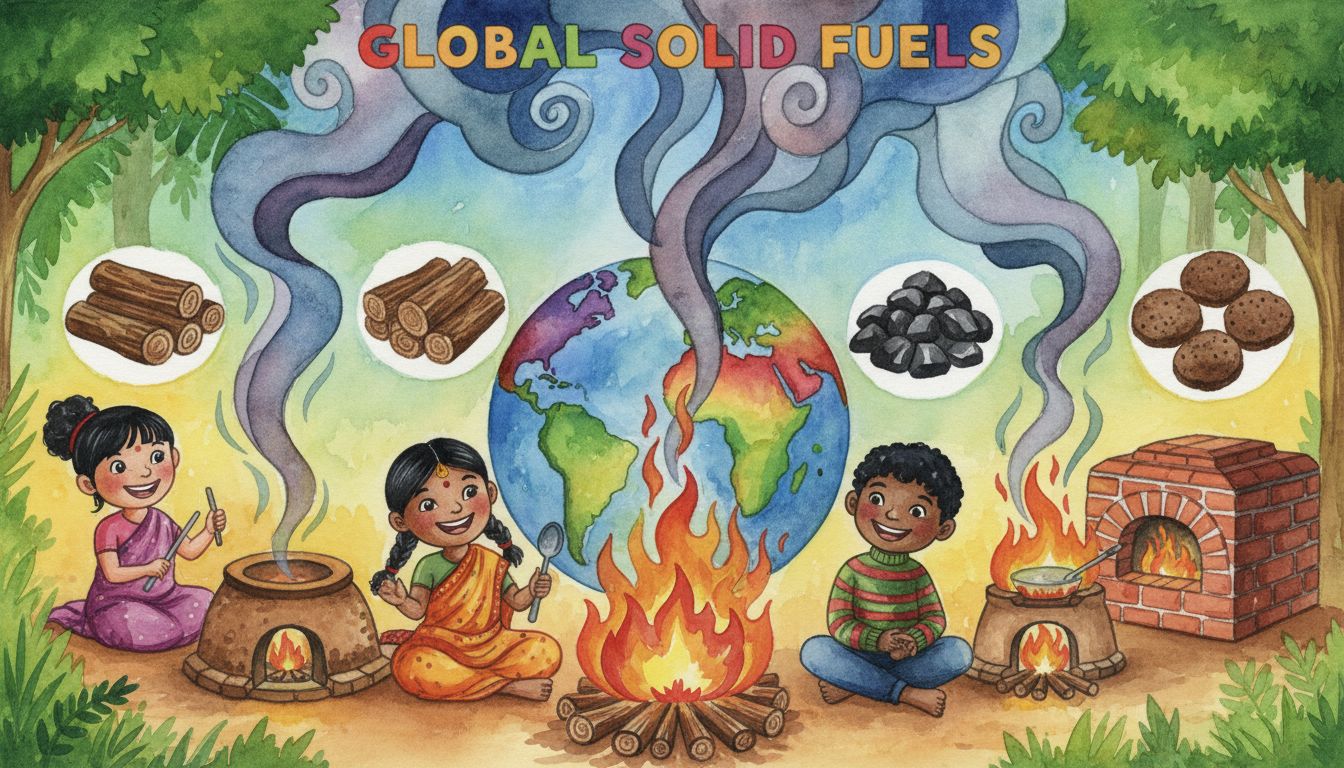
More than 2.5 billion people worldwide rely on burning solid fuels like wood, coal, and dung for cooking and heating. This practice is most common in low-income households across developing countries.
Around the world, a staggering number of people depend on burning solid fuels, such as wood, coal, and dried animal dung, for their cooking and heating needs. According to the World Health Organization (WHO), this figure exceeds **2.5 billion** individuals, highlighting a significant reliance on these traditional energy sources, particularly in low-income households and regions with limited access to modern energy solutions.
Solid fuels are often burned in open pits, stoves, or fireplaces, contributing to household energy needs. This method of cooking and heating is prevalent in many developing countries, where access to cleaner energy sources like electricity and natural gas is still lacking. The use of solid fuels is not just about cooking; it also represents a way of life and a means of survival for many families.
However, the reliance on solid fuels comes with serious health and environmental implications. When burned, these fuels release harmful pollutants, including particulate matter and carbon monoxide, which can lead to respiratory diseases such as Chronic Obstructive Pulmonary Disease (COPD) and other serious health issues. In fact, COPD is a major health concern worldwide and is one of the leading causes of death, particularly in areas where air quality is compromised due to the burning of solid fuels.
Furthermore, the environmental impact of using solid fuels is significant. Deforestation is often exacerbated by the need for firewood, which can lead to loss of biodiversity and contribute to climate change. As trees are cut down for fuel, the natural balance of ecosystems is disrupted, leading to soil erosion and loss of habitat for wildlife.
In response to these challenges, various initiatives are being implemented globally to promote cleaner cooking technologies and alternative energy sources. Programs aimed at providing access to cleaner fuels, such as liquefied petroleum gas (LPG) and biogas, are crucial in reducing the health risks associated with solid fuel usage. These initiatives not only improve health outcomes but also support environmental sustainability by reducing deforestation and air pollution.
In summary, the use of solid fuels for cooking and heating is a common practice for more than 2.5 billion people around the globe, particularly in low-income households. While it serves as a vital energy source, it poses significant health and environmental risks that need to be addressed through innovative solutions and cleaner energy alternatives.
Was this answer helpful?