
How to Illustrate the Fossilization Process: A Step-by-Step Guide
Quick Answer
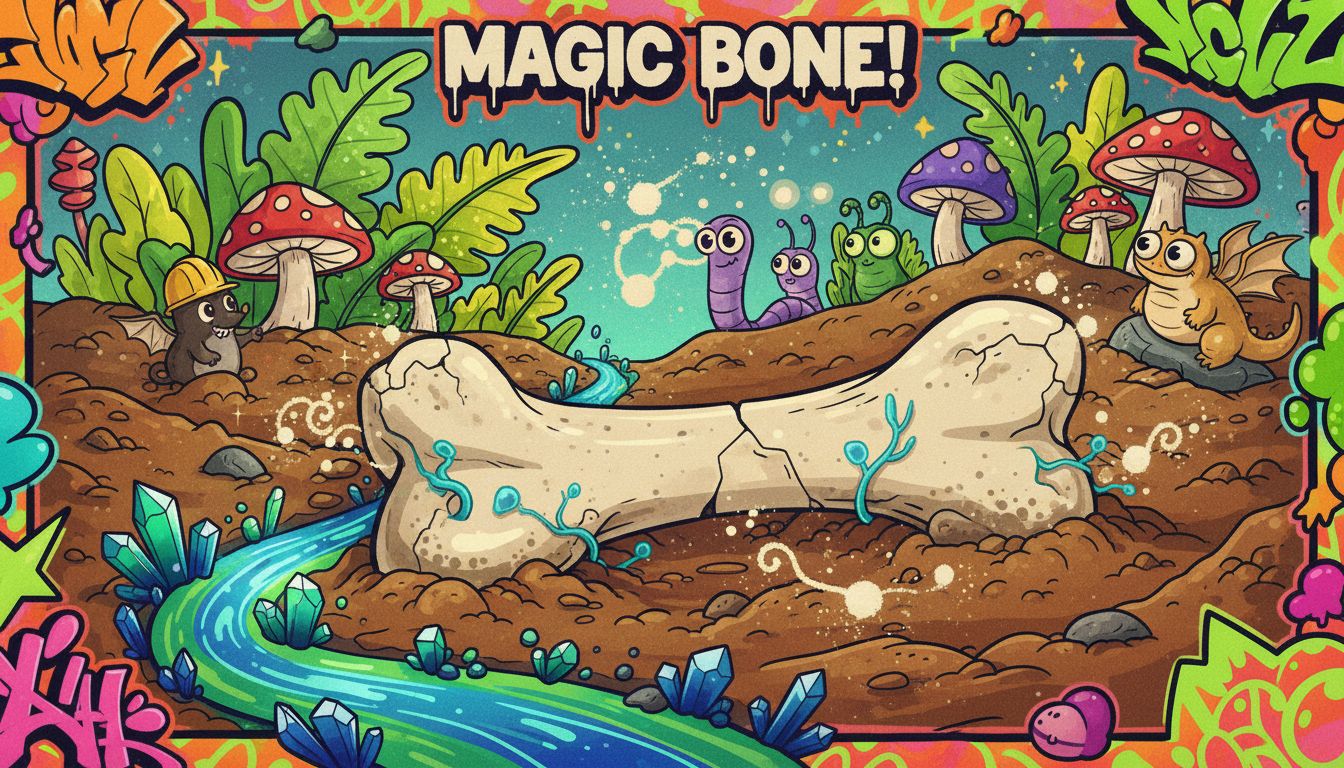
To illustrate the fossilization step where the bone is replaced by minerals, draw the bone shape with rocky textures and crystal-like details inside it. Surround it with layers of earth to show its context.
Fossilization is a fascinating process that helps us understand ancient life. One of the key steps in this process involves the gradual replacement of a bone by minerals, which transforms it into a fossil. Here’s how you can effectively illustrate this step in a drawing.
**1. Start with the Bone Shape**
Begin your drawing by sketching the outline of the bone you want to illustrate. This could be a simple leg bone or a dinosaur bone shape, depending on what you studied in class. Make sure to keep it recognizable, as the focus will be on how it changes during fossilization.
**2. Add Rocky Textures**
Instead of drawing the bone smooth and clean, give it a 'rocky' appearance. Inside the bone shape, you can illustrate tiny crystals or blocky textures. Use small triangles, squares, or jagged shapes to represent mineral crystals. This helps convey that the bone is being replaced by minerals.
**3. Show Changes in the Bone**
To indicate the transformation from bone to stone, add some details like cracks and lines on the surface. You might shade the interior of the bone slightly darker to show how it has changed from a soft material to a hard one. If your teacher allows it, label your drawing with phrases like "Minerals fill in the bone" or "Bone turns to rock" to clarify what is happening.
**4. Create the Surrounding Environment**
To enhance your drawing, surround the bone with layers of earth, which can include dirt and rocks. You can represent these layers with wavy lines to illustrate the different strata of soil and rock that would be found in a natural setting. This context helps viewers understand where the fossil might be located.
**5. Use Colors Wisely**
Consider using different colors to distinguish between the bone and the surrounding materials. For example, you could use earthy browns and greens for the dirt and rocks, while the bone itself could be a gray or brown to represent stone. This will make your drawing visually appealing and informative.
**Real-World Applications**
Understanding fossilization is important not just in science class, but also for paleontologists who study ancient life forms. Fossils provide valuable insight into the history of our planet, and illustrating these processes can deepen your understanding of how life has evolved over millions of years.
In summary, by following these steps, you can create an engaging and informative drawing that illustrates the fossilization process. Not only will this help with your homework, but it will also enhance your appreciation for this remarkable natural phenomenon. Happy drawing!
Was this answer helpful?