
How to Track Your Daily Waste: A Student's Guide
Quick Answer
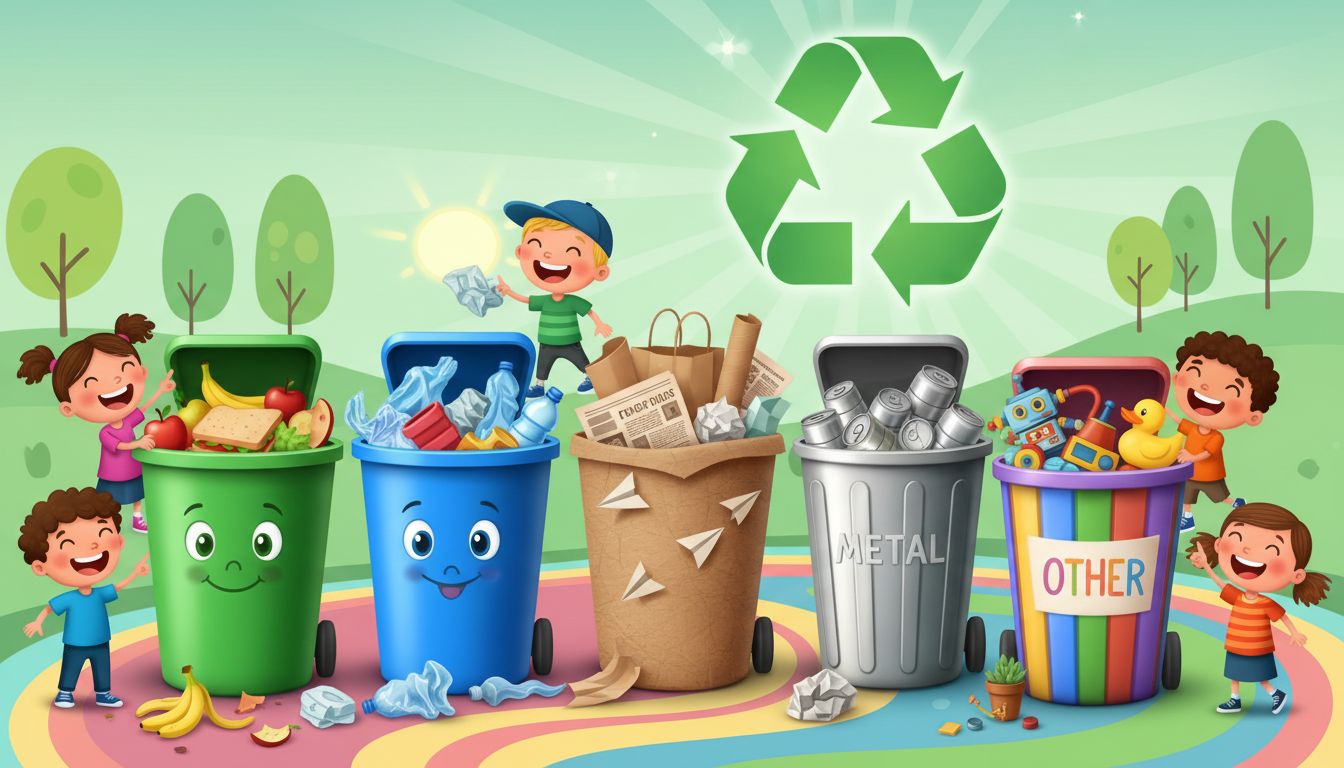
To track your daily waste, make a list of solid waste generated in categories like food, plastic, paper, metal, and other. Include specific descriptions and amounts for each item.
Tracking your daily waste can be an eye-opening experience that helps you understand your consumption habits and their environmental impact. This assignment requires you to categorize solid waste into five distinct groups: food, plastic, paper, metal, and other. By doing this, you can gain insights into how much waste you produce and identify areas for improvement.
**1. Food Waste:** Start by listing any food items that you throw away. For instance, if you have a slice of spoiled banana bread, you might note that it's about the size of your hand. This not only helps you quantify your waste but also raises awareness about food spoilage and waste reduction.
**2. Plastic Waste:** Next, consider the plastic items you discard. Items like a plastic candy cane wrapper or a coffee cup lid should be listed with a brief description. For example, instead of just saying "plastic wrapper," you could specify that it is an "individual clear and red striped candy cane wrapper." This level of detail helps in understanding the types of plastic waste generated.
**3. Paper Waste:** Paper waste is another category to track. This can include anything from used napkins to shopping bags. Describing them can be helpful; for instance, instead of just saying "paper bag," you could specify that it is a "large paper shopping bag with handles from a clothing store."
**4. Metal Waste:** Although metal waste may not be as common in daily life, it’s still important to track. For example, you might have small packets like Hot Hands hand warmers. Listing them as "small packets containing iron powder" provides clarity on what types of metal waste you are generating.
**5. Other Waste:** Finally, the 'other' category can include anything that doesn't fit into the previous groups. It's crucial to take note of these items as well since they can sometimes contribute significantly to waste.
By categorizing and describing your waste, you can engage in a meaningful reflection on your habits. This exercise not only fulfills your assignment but also encourages sustainable practices in your daily life. Consider reviewing your list after a week or month to identify patterns in your waste generation and think about how you can reduce it.
Tracking waste can lead to better decision-making, such as reducing food waste, opting for reusable items instead of single-use plastics, and recycling more effectively. This is a valuable skill that can contribute to environmental sustainability and personal responsibility.
Was this answer helpful?