
Understanding Soil Types: Definitions and Characteristics
Quick Answer
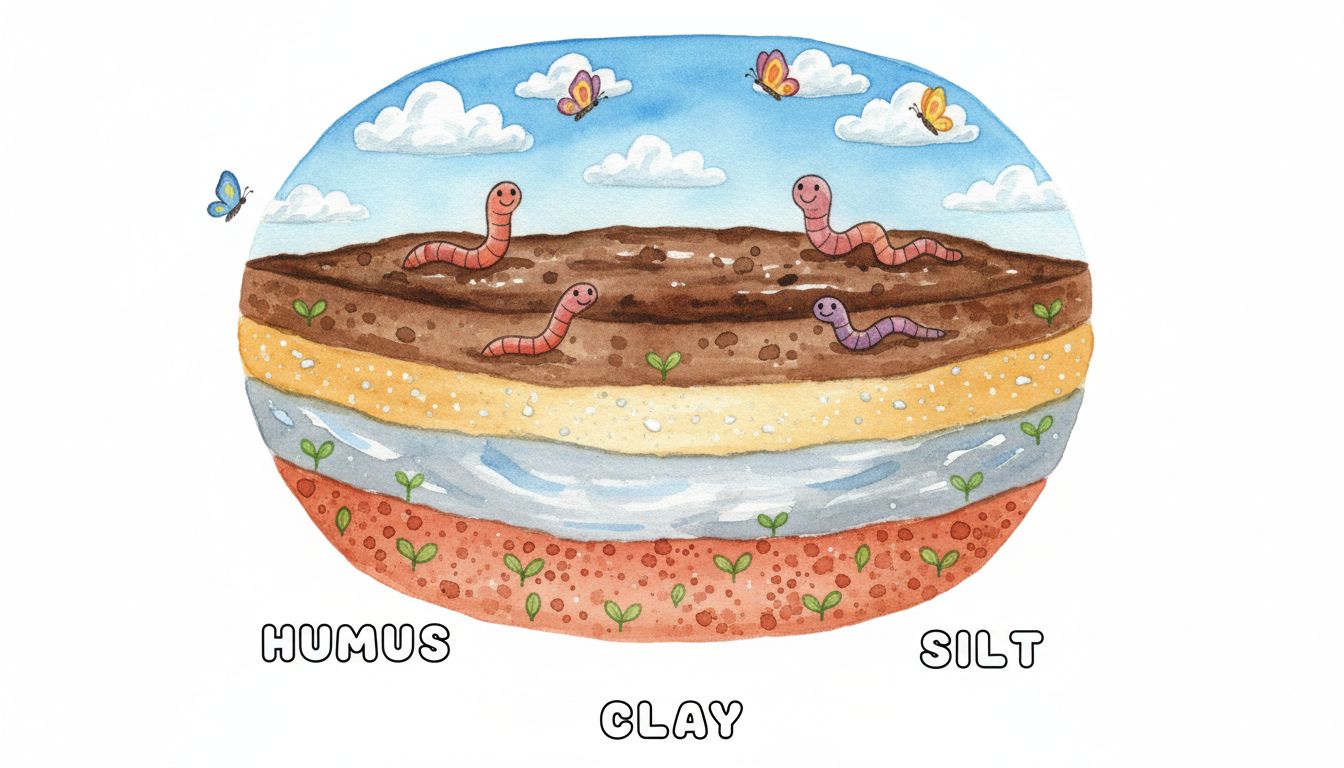
Soil types like clay, sand, and humus each have unique characteristics. Clay is sticky and retains water, while sand has large grains and drains quickly. Understanding these terms helps in studying soil properties effectively.
Soil is a vital component of our environment, and understanding its different types can significantly enhance your study of science. In your Unit 2 Soil Study Guide, you may encounter several important terms related to soil, including 'clay,' 'sand,' 'humus,' 'silt,' 'permeability,' 'texture,' and 'water retention.' Let's break down these terms to understand their meanings and applications.
**Clay** is a type of soil composed of very fine particles. When you touch moist clay, you will notice it feels sticky, which is due to its small particle size that allows it to hold water effectively. This property makes clay excellent for retaining moisture, but it can also lead to poor drainage, which is essential to consider when planting.
**Sand**, on the other hand, consists of larger particles that feel gritty to the touch. The spaces between sand grains allow for quick drainage of water, making it unsuitable for crops that require more moisture. However, sand is ideal for plants that thrive in well-drained conditions.
**Humus** is another critical component of soil, made up of decomposed organic matter from plants and animals. It is dark and soft, enriching the soil with nutrients essential for plant growth. The presence of humus enhances soil fertility, supporting a diverse range of flora.
**Silt** is a soil type that falls between clay and sand in particle size. It retains moisture better than sand but drains better than clay, making it a balanced option for many plants.
**Permeability** refers to how easily water flows through soil. Soil with high permeability, like sand, allows water to escape quickly, while soils like clay have low permeability, which can lead to water pooling.
**Water retention** is a measure of how much water soil can hold. Understanding this concept is crucial when choosing soil for gardening or farming, as different plants have varying water needs.
When studying these soil types, think about where you might find each one in nature. For example, clay is often found in low-lying areas where water collects, while sandy soil is common in deserts or beach areas. This real-world application can help you grasp the importance of soil characteristics in agriculture, ecology, and environmental science.
If you have specific vocabulary terms from your guide that you want to explore further, please share them! I'm here to help you understand them step by step, ensuring you're well-prepared for your studies.
Was this answer helpful?