
Which Type of Soil Holds the Most Water? Find Out Here!
Quick Answer
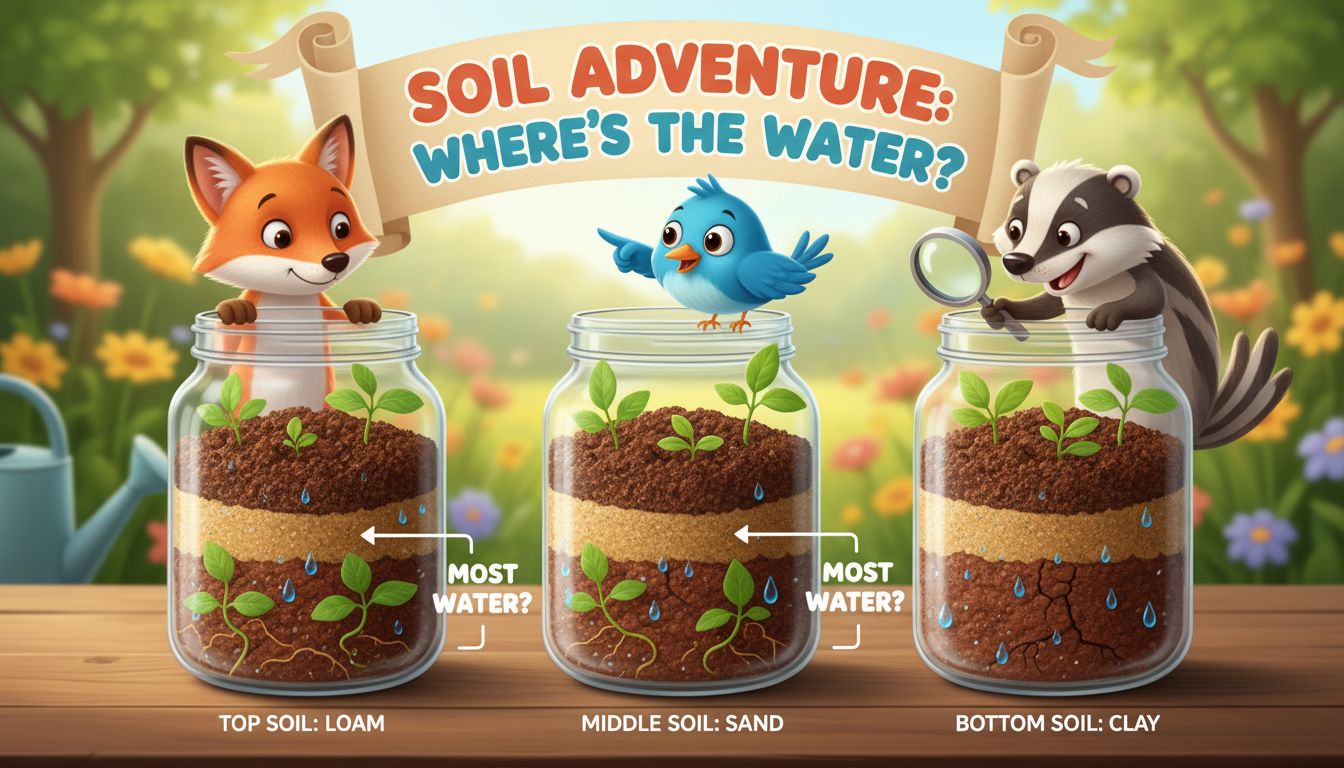
Clay soil holds the most water compared to other soil types like sand and silt. Its small particles fit tightly together, making it difficult for water to drain out.
When we talk about soil, we often think about its role in gardening and agriculture. But did you know that different types of soil hold water in different ways? Understanding this is crucial for anyone interested in growing plants successfully. The three main types of soil are sand, silt, and clay, and they each have unique characteristics that affect how much water they can retain.
**Clay Soil**: Clay is known for its fine particles. These tiny particles are less than 0.002 millimeters in diameter and are packed closely together. Because of this tight arrangement, when water enters clay soil, it has a hard time draining away. This means that clay soil can hold a significant amount of water, making it feel sticky and wet. However, while clay can retain water well, it can also become waterlogged, which can be detrimental to plant roots.
**Silt Soil**: Silt falls between sand and clay in particle size, measuring between 0.002 and 0.05 millimeters. This type of soil retains water better than sand but not as well as clay. Silt has a smooth texture and feels slippery when wet. It holds moisture well, making it beneficial for growing a variety of plants.
**Sand Soil**: Sand consists of larger particles, larger than 0.05 millimeters. This means that water drains quickly through sandy soil, which is why it doesn’t hold much water. While sand is great for drainage and aeration, it can dry out quickly, making it challenging for plants to access the moisture they need.
To visualize these differences, think of three household items: a sponge, a towel, and a net. The sponge represents clay, which absorbs and retains water effectively. The towel, like silt, can soak up some moisture but not as much as the sponge. The net represents sand, which allows water to pass through rapidly, holding very little.
Farmers, gardeners, and landscapers must pay attention to soil types to ensure their plants thrive. For instance, if you’re planting water-loving plants, clay soil might be ideal. Conversely, for plants that require good drainage, sandy soil would be more appropriate.
Understanding the water retention capabilities of different soil types can help you make informed decisions about gardening and agriculture, enhancing your ability to create a thriving environment for plants.
In summary, if you’re looking for soil that holds the most water, clay is the best choice. However, it's important to consider the needs of your plants and the overall soil composition in your garden for optimal health and growth.
Was this answer helpful?