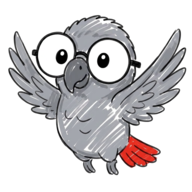
能看见的皮肤
Polly watches Pasta find food under a coloured plate even though octopuses are colour-blind through their eyes. She learns that octopus skin contains the same light-sensing molecules as a human retina.

Read at your pace. The full app adds translation and saved vocabulary.
Keep it on your phone →第四天早晨,琪亚拉迟到了。她提着两杯咖啡走进来,头发被海风吹得湿漉漉的。她把一杯咖啡放在柜台上。“我昨晚想到一个问题,”她说,“我们还没有给波莉做颜色测试呢。”

琪亚拉说,颜色测试是帕斯塔最喜欢的。她在水箱底部放了三只不同颜色的平盘。鲜红色。亮蓝色。明黄色。在其中一个盘子下,一个小塑料罩子里有一块虾肉。今天,虾肉在红色盘子下面。

“事情是这样的,”琪亚拉说,“章鱼是色盲。它们的眼睛只有一种光感受器,而不是像我们一样有三种。根据我们对它们眼睛所做的每一个测试,章鱼是无法区分颜色的。”

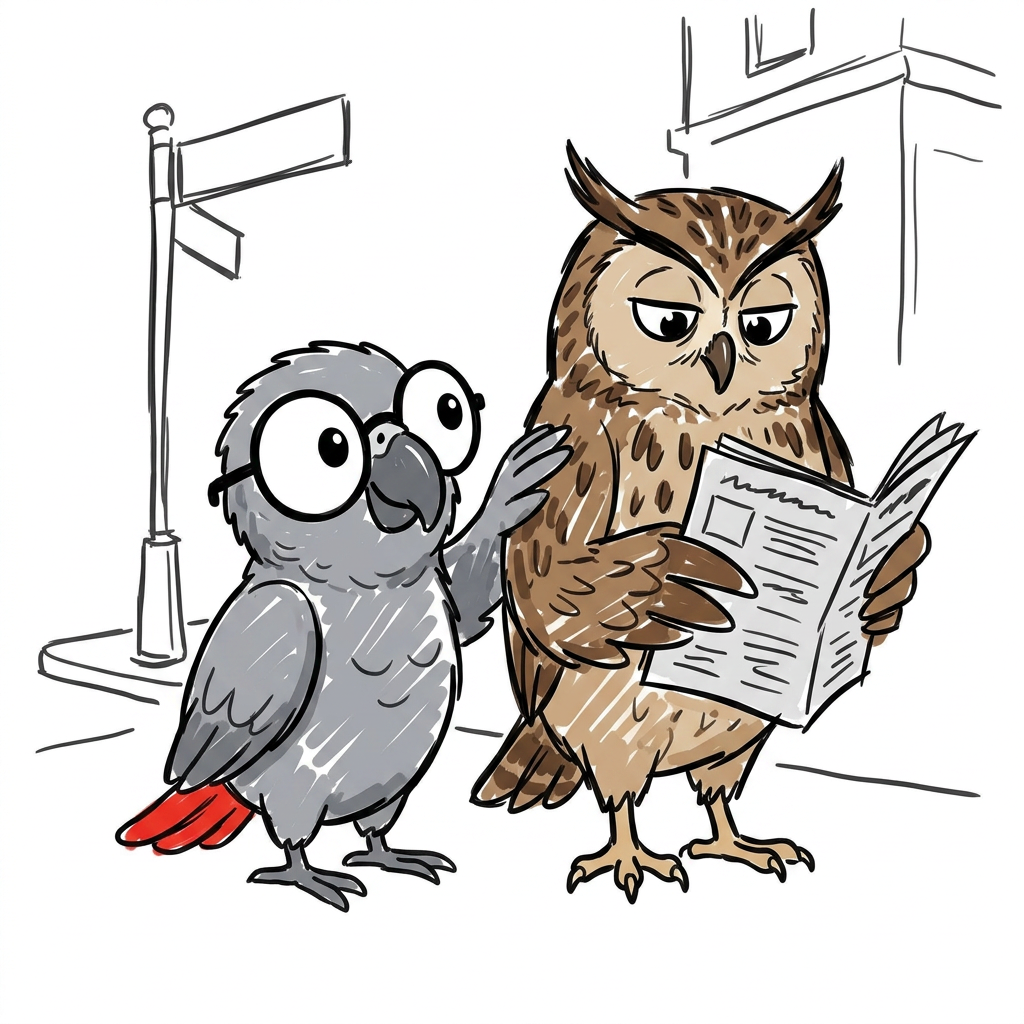
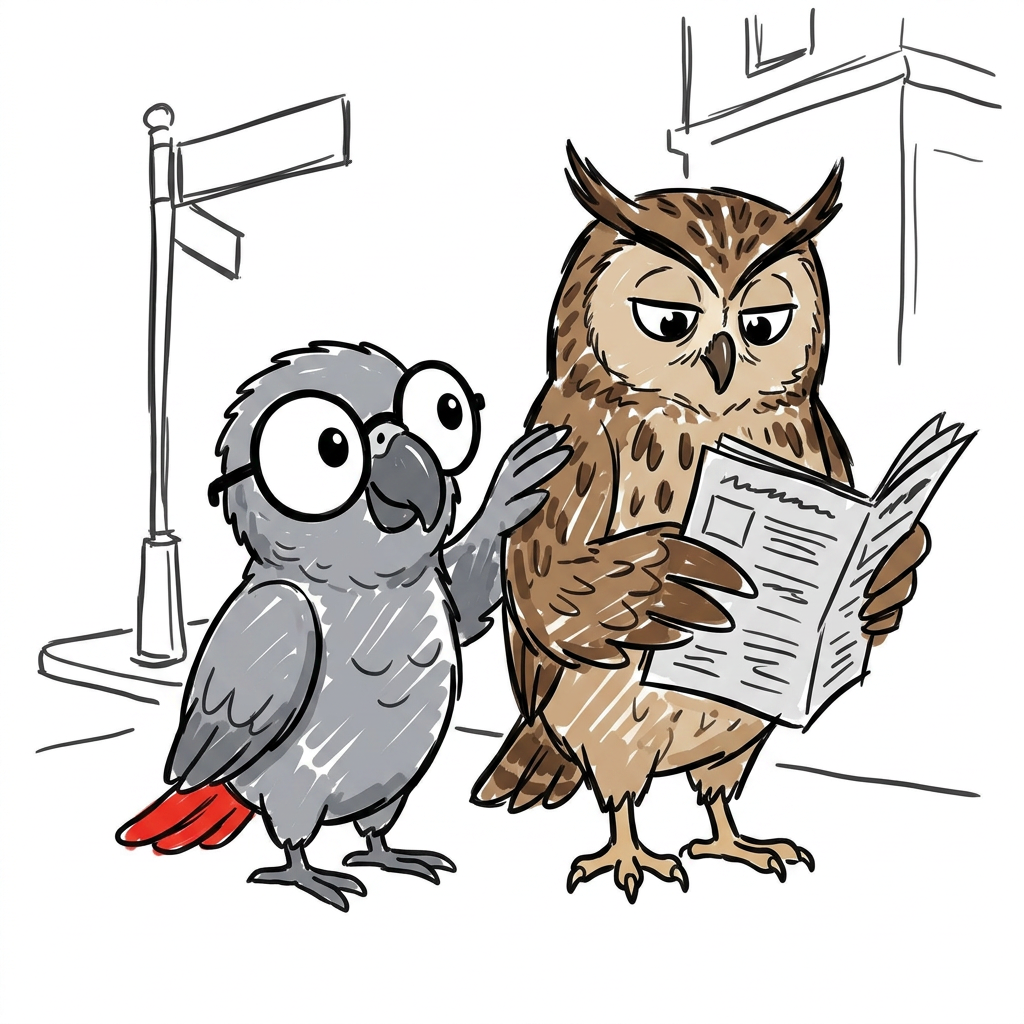
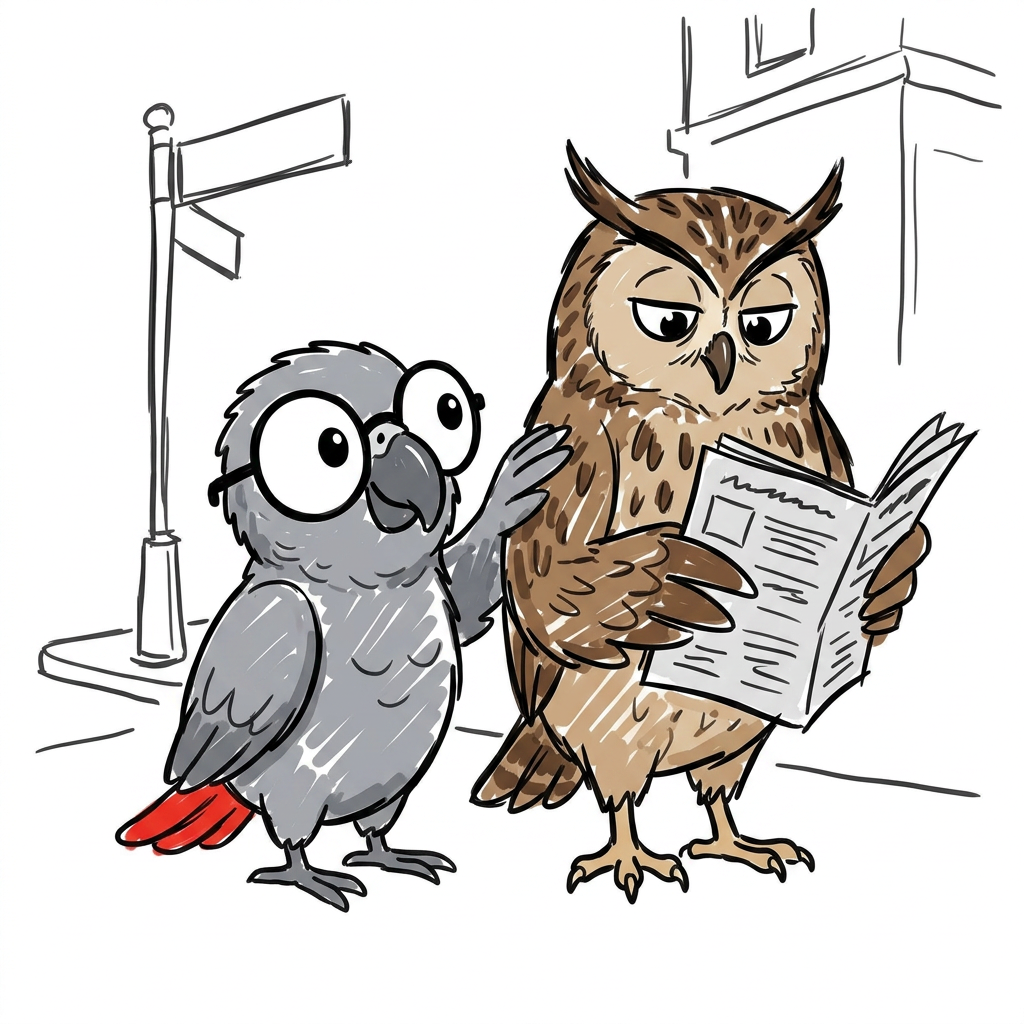
波莉歪着她红色的头。

“然而,”琪亚拉说。她指着水箱。“看。”

帕斯塔舒展开来。两只触腕伸向水箱底部。它们经过蓝色盘子时没有停顿。经过黄色盘子时也没有停顿。它们在红色盘子上方停住。一只触腕抬起罩子。帕斯塔拿走了虾肉。

“她不是对颜色视而不见,”琪亚拉说,“但不是她的眼睛在看。”

在过去的十五年里,生物学家发现章鱼的皮肤充满了叫做视蛋白的光感细胞。人类视网膜上的同一种分子覆盖了整个章鱼触腕的表面。章鱼的皮肤可以检测不同波长的光。在某些物种中,皮肤甚至可以检测特定的颜色。
这是一个可能的答案,解开了困扰生物学家百年的谜题:一只色盲的动物如何能在五彩缤纷的环境中如此完美地伪装自己?珊瑚上的章鱼与珊瑚融为一体。沙地上的章鱼与沙地融为一体。它的眼睛看不见颜色,但它的皮肤能。皮肤看见了需要模仿的东西。
帕斯塔带着她的虾肉退了回去。整个实验不到一分钟。
波莉慢慢沿着水箱边缘走。她从未想过自己的眼睛。她只是信任它们。一个动物可以用身体的其他部分来“看”的想法,一时间让她感到极为陌生。她想,她对自己身体的大部分所知甚少,这种想法带来了一阵轻微的眩晕。
琪亚拉拿起她的咖啡。“很有趣,不是吗?”
波莉歪着她红色的头。
“还有更多,”琪亚拉说,“我们已经发表了十年的论文。大多数人仍然无法相信。动物的皮肤会‘看’。”她喝了一口咖啡。“欢迎来到生物学的领域,我们其实知道得不多。”
You just heard Polly
Want to hear what YOU sound like?
Read a line of the story out loud. Your recording stays on your device and is never uploaded.
Not bad, right? If you were in the PollyStop app, Polly would listen to exactly that and score you right now.
Coaching, saved words, spaced repetition, and a fresh story every day.
Get PollyStop freeYou just tried the loop
Now take the story with you.
PollyStop brings listening, saved vocabulary, speaking practice, and a fresh graded story together on your phone.
Learning on Android? Join the waitlistRead this story in another language.
Same story, different language. Compare the shape and rhythm without losing the plot.
Keep reading
More Mandarin stories.
Keep learning in PollyStop
Listen, save words, practise